
Freediving Gear, Techniques and Dive Sites, Tested on a Single Breath
Freediving is diving underwater on one breath, without a scuba tank. Three things decide how deep you go, how long you stay and how safely you come back: the gear you wear, the technique you use and the site you dive. Deeperience covers all three.
- SSI Rescue Diver since 2006
- Freediving since 2015
- Gear tested in the water

Every Guide Here Comes From One Diver, Not a Content Team
I am AG. I have been an SSI Rescue Diver and Master Scuba Diver since 2006, and I have been freediving since 2015. I do not hold a freediving instructor rating, and nothing on this site replaces a course with a certified instructor. What I can give you is what I have learned in the water.

How Do You Start Freediving?
Learn it in this order. Each step assumes the one before it, and the risk comes before the depth. Skipping straight to depth is how beginners get hurt.
Understand the breath-hold
What actually happens to your body on one breath, and why the urge to breathe is not the same as running out of oxygen.
Freediving for beginners →Learn to equalize
Ear pressure stops more beginners than lung capacity does. Learn the technique before you learn to go deep.
Freediving equalization →Know the real risks
Shallow water blackout, mask squeeze and lung squeeze are the three that hurt people. Know what causes each one.
Dangers of freediving →Get the minimum gear
A low-volume mask, long fins, a wetsuit that fits and a weight belt you can release with one hand. Start there.
Freediving gear guides →Gear, Technique and Locations
Three sections, one subject. Pick the one that is currently limiting your dive.

Freediving Equipment
Masks, fins, wetsuits, weight belts, computers and buoys, compared on how they behave underwater.
Browse gear guides →
Freediving Techniques
Breathing, equalization, duck dives and finning, broken into steps you can practise on the next session.
Browse techniques →
Freediving Locations
Where to dive, what visibility and depth to expect, and what the conditions demand of you.
Browse locations →How Do You Improve Your Freediving Technique?
Technique saves more oxygen than fitness does. A clean duck dive, an efficient kick and the right meal before a session all lower how much oxygen you burn on the way down.
How to Duck Dive Properly for Freediving
A duck dive turns your body vertical and pushes you below the surface in one movement. Here is the sequence, and the mistakes that waste air before the dive even starts.
Read the guide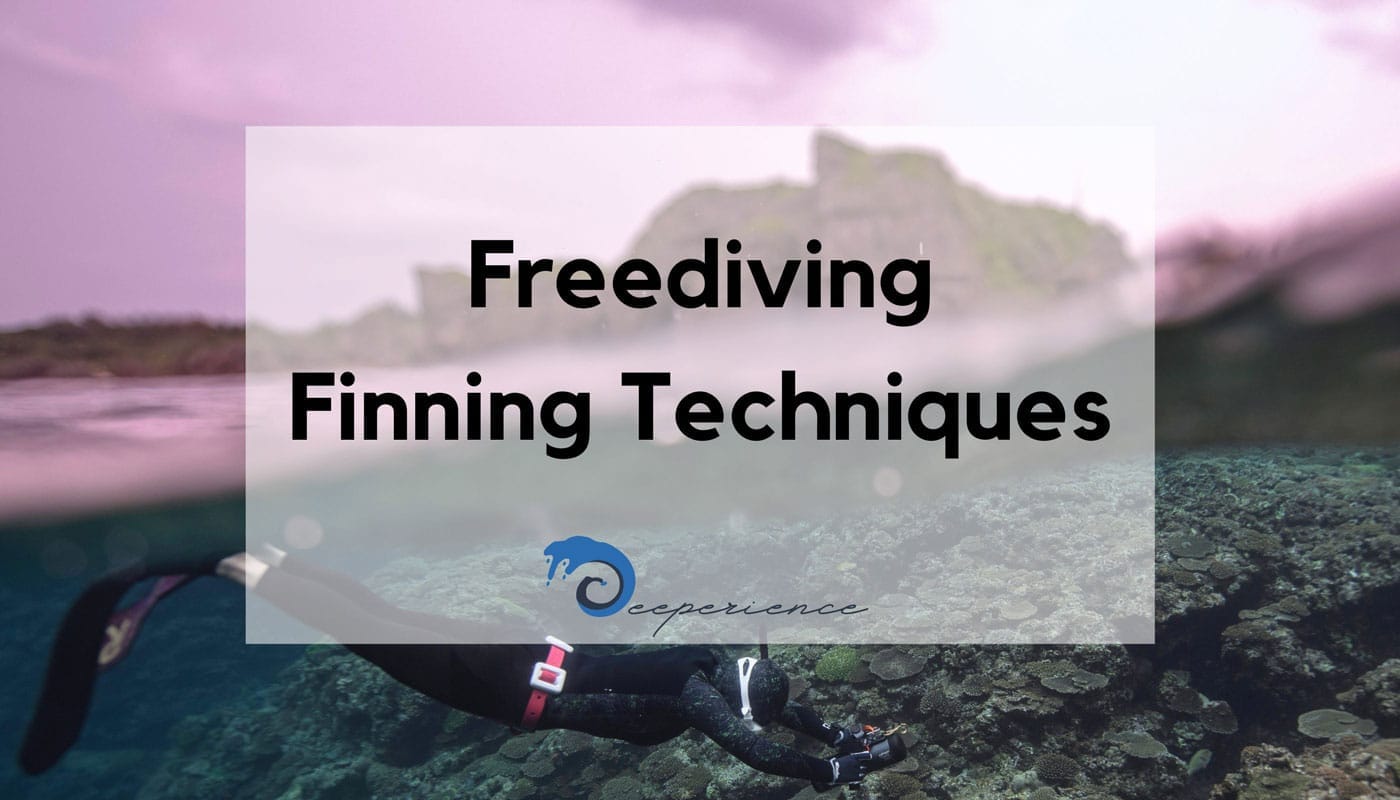
How to Improve Your Finning Technique
Kicking from the hip with long, slow strokes uses less oxygen than kicking from the knee. Here is how to tell which one you are doing, and how to fix it.
Read the guide
What to Eat and Avoid Before Freediving
What you eat in the hours before a session changes how your body handles a breath-hold. Here is what to eat, what to skip and how long to wait.
Read the guideWhich Freediving Gear Do You Buy First?
A mask, a pair of fins and a wetsuit, in that order. Those three decide whether a dive is comfortable or miserable. A weight belt you can release with one hand and a surface buoy come next, and a dive computer can wait until you know your depths.

The 5 Most Recommended Freediving Masks
No mask fits every face, so these five are compared on the three things that decide it: how well the skirt seals, how much air sits inside, and how wide you can see. One holds just 76 ml, low enough that many divers barely equalize it.
See the picks
Best Entry-Level Freediving Fins
Fixed blade or modular, soft or stiff. The right answer depends on your leg strength and how far you swim on the surface. Stiff blades punish long surface swims. Seven beginner models compared, including the ones you can upgrade later.
Compare the fins
How to Choose a Freediving Wetsuit
Closed cell, open cell or smoothskin, and how thick. Thicker keeps you warmer but makes you more buoyant, so you carry more lead. Includes the water-temperature-to-thickness chart and the hair-conditioner trick for getting an open cell suit on.
Read the guideWhere Should You Freedive?
Depth, visibility and water temperature change what gear you bring and what you can safely attempt. These guides cover all three.
Best Places to Freedive
The sites worth planning a trip around, with the conditions and the season that make each one work.
See the list
Freediving in Bali
Where to dive on the island, what the currents do, and which months give you the visibility you flew for.
Read the guide
Freediving in Florida
Springs, reefs and the Gulf. What each offers, and what the rules and conditions ask of you.
Read the guideNever Freedive Alone
A blackout is survivable with a trained buddy at the surface and usually fatal without one. Learn from a certified instructor, know your limits, and always dive with someone who can bring you up.
Do You Have a Question About Freediving?
Send it to me and I will answer from my own experience. If I have not dived the site or used the gear you are asking about, I will tell you that instead of guessing. Include your current depth, the gear you own and what went wrong, and the answer will be worth more to you.